

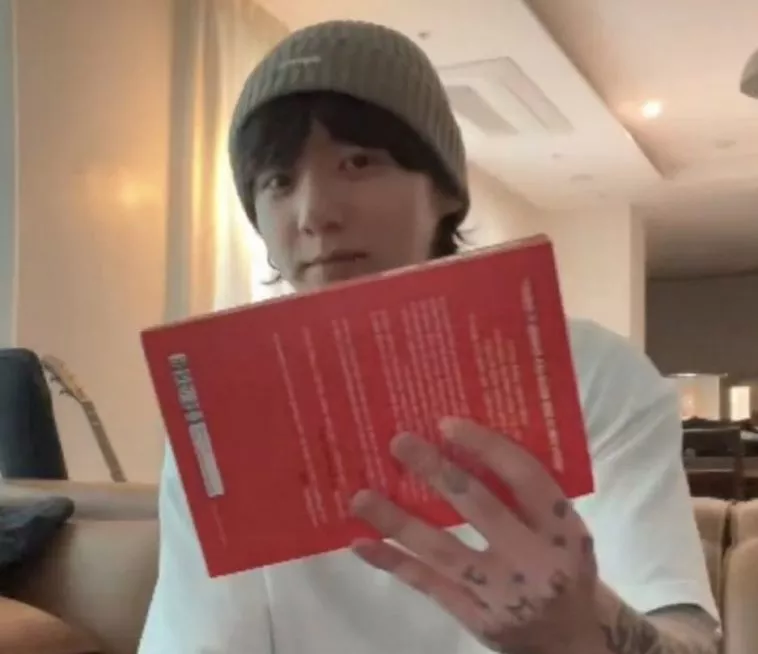
С ростом популярности всего корейского, включая музыку, фильмы, еду и дорамы, вполне уместно, что и корейские авторы получают заслуженное признание. Они не просто наводят шороху — они вызывают литературное цунами! Поэтому, если вы — заядлый читатель, который находится в поисках следующего летнего литературного приключения, не пропустите эти пять увлекательных книг, написанных талантливыми корейскими писателями.
1. Crying in H-Mart
Мемуары, выпущенные в 2018 году. Даже Чонгук из группы BTS был замечен в прямом эфире с этой книгой. Мишель Заунер рассказывает о том, как американка корейского происхождения потеряла мать и пыталась сформировать свою собственную личность.
Читать отрывок (на английском): Google books
Где найти:
2. Дорога в тысячу ли (Патинко)
История «Патинко», написанная Мин Джин Ли, рассказывает о девушке по имени Сонджа, которая влюбляется в богатого незнакомца, обещающего ей весь мир. Сонджа узнает, что беременна, и более того, обнаруживает, что ее возлюбленный женат. Что будет делать Сонджа? Книга переведена на русский язык.
Читать отрывок (на русском): Лабиринт
Где найти:
3. Госпожа Ким Чжи Ен, рожденная в 1982 году
Захватывающая история, когда женщина обнаруживает, что ей чудятся голоса других женщин, как живых, так и мертвых. Ее муж обращается за помощью к психиатру, и в результате возникает захватывающая история, которую не хочется пропустить. Книга переведена на русский язык.
Читать отрывок (на русском): Google Books
Где найти:
4. The Court Dancer
Французский дипломат очарован культурой династии Чосон, но его внимание привлекает не только культурная сторона И Чжин, исполнительницы традиционного танца «Весенняя иволга». И Чжин, следуя за дипломатом, оказывается в совершенно иной жизни, чем та, к которой она привыкла, но что будет между ними?
Читать отрывок (на английском): Google Books
Где найти:
5. Almond: A Novel
Книга «Almond: A Novel», рекомендованная к прочтению Шугой из BTS, рассказывает о мальчике, родившемся с заболеванием мозга под названием «алекситимия», из-за которого он не может испытывать эмоции. Так было до шестнадцатилетия Юнджэ, когда все изменилось.
Читать отрывок (на английском): Google Books
Где найти:
Какие из этих книг вы бы хотели прочесть?
Смотрите также:
- 5 корейских инфлюенсеров, которые теперь стали настоящими звездами
- Что думают южнокорейцы о 5-звездочном отеле в Северной Корее?
- 10+ душераздирающих цитат из книги BTS «Beyond the Story»

I need to share with you something nearly all septic companies refuse to: there are two kinds of people in this world. Those who think septic systems are simply «underground boxes for waste,» and those who’ve had raw sewage gurgling into their backyard at midnight. I discovered this difference the hard way in 2005—waist-deep in sludge, trembling in a Washington downpour, as my family and I aided a weathered installer restore our family’s failed system. I was 14. My hands ached. My pants were destroyed. But that evening, something crystallized: This is not just manual labor. It’s families
Let me share with you something the majority of septic companies won’t: there are two kinds of people in this world. Those who believe septic systems are merely «underground boxes for waste,» and those who’ve had raw sewage bubbling into their yard at 2 AM. I discovered this distinction the tough way in 2005—knee-deep in sludge, trembling in a Washington downpour, as my brothers and I helped a weathered installer fix our family’s failed system. I was a teenager. My hands blistered. My clothes were ruined. But that night, something changed: This isn’t just digging. It’s folks’ lives we
Allow me to explain something the majority of septic companies refuse to: there are two kinds of people in this life. Those who believe septic systems are just «underground boxes for waste,» and those who have had raw sewage erupting into their property at 2 AM. I learned this difference the difficult way in 2005—waist-deep in mud, shivering in a Washington rainstorm, as my siblings and I assisted a grizzled installer repair our family’s collapsed system. I was 14. My hands ached. My jeans were ruined. But that night, something crystallized: This isn’t just digging. It’s families’ lives
I need to share with you something the majority of septic companies will not: there are two types of people in this world. Those who think septic systems are merely «underground boxes for waste,» and those that have had raw sewage gurgling into their backyard at 2 AM. I understood this reality the tough way in 2005—knee-deep in sludge, trembling in a Washington rainstorm, as my family and I helped a veteran installer fix our family’s collapsed system. I was a teenager. My hands blistered. My jeans were destroyed. But that moment, something changed: This isn’t just manual labor. It’s folks
Allow me to tell you something the majority of septic companies won’t: there are two types of people in this reality. Those who think septic systems are simply «underground boxes for waste,» and those who’ve had raw sewage erupting into their yard at midnight. I understood this distinction the tough way in 2005—standing in mud, shivering in a Washington rainstorm, as my brothers and I helped a veteran installer fix our family’s failed system. I was fourteen. My hands ached. My pants were destroyed. But that evening, something changed: This ain’t just dirt work. It’s people’s lives that
I need to tell you something nearly all septic companies refuse to: there are two categories of people in this life. Those who assume septic systems are just «subterranean tanks for waste,» and those who’ve had raw sewage bubbling into their property at the dead of night. I understood this reality the tough way in 2005—knee-deep in mud, freezing in a Washington downpour, as my brothers and I aided a veteran installer restore our family’s failed system. I was a teenager. My hands ached. My jeans were destroyed. But that evening, something clicked: This isn’t just dirt work. It’s families
Allow me to share with you something most septic companies will not: there are two kinds of people in this reality. Those who believe septic systems are just «subterranean tanks for waste,» and those that have had raw sewage gurgling into their backyard at 2 AM. I discovered this reality the hard way in 2005—knee-deep in muck, freezing in a Washington deluge, as my siblings and I aided a weathered installer fix our family’s collapsed system. I was fourteen. My hands were raw. My clothes were destroyed. But that evening, something changed: This ain’t just dirt work. It’s folks’ lives we’